Best Next.js E-commerce Templates for 2026 (Free and Paid)
Compare 10 Next.js e-commerce templates for 2026: free Shopify and Medusa starters, Envato picks, and complete stores with an admin panel and API.
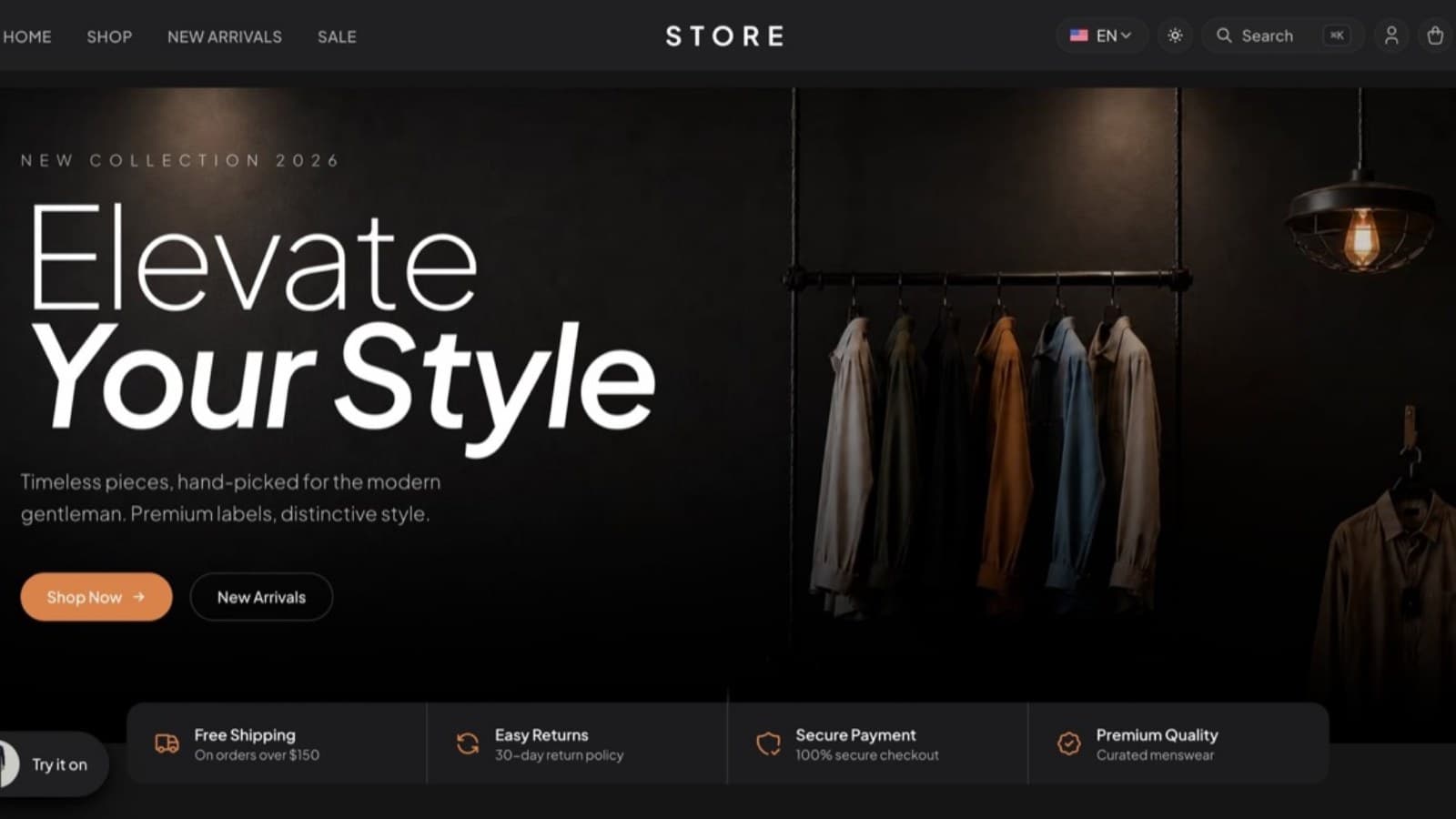
This is a buyer's list of the best Next.js e-commerce templates and starters for 2026, written for developers, founders and agencies who need to pick the starting point for an online store. It covers free open-source starters on GitHub, premium templates from marketplaces like ThemeForest and CodeCanyon, and complete stores that ship with their own admin panel and API.
The biggest choice is not the design. It is where your products, orders and payments live: on a hosted platform such as Shopify or BigCommerce, in a commerce engine you run yourself such as Medusa, Saleor or Spree, or in a complete template that brings its own API. The Commerce backend column in the table below shows which is which. The list was updated in October 2026, most entries now run on Next.js 16, and the ones that do not are marked.
| Template | Best for | Commerce backend | Admin panel | Arabic/RTL | Price |
|---|---|---|---|---|---|
| Aniq UI E-Commerce Template | A complete store you own | Own NestJS API with Stripe (in the full-stack package) | Yes, Next.js 16 | English and Arabic, full RTL | From $79 |
| Aniq UI E-Commerce Admin Dashboard | A store admin panel with AI tools | Aniq UI NestJS API (mock API when bought alone) | This is the admin | English and Arabic, full RTL | $99 |
| Next.js Commerce | Free Shopify storefront | Shopify (hosted) | Shopify admin | Not listed | Free, plus a Shopify plan |
| Medusa Next.js Starter | Free self-hosted engine | Medusa (self-hosted or Medusa Cloud) | Medusa admin | Not listed | Free |
| Saleor Paper | Multi-market stores on GraphQL | Saleor (self-hosted or Saleor Cloud) | Saleor Dashboard | 7 locales, Arabic not included | Free (FSL licence) |
| Payload E-commerce Template | Content and commerce in one app | Payload, inside the same Next.js app | Payload admin | Not listed | Free (beta) |
| Spree Storefront | DTC plus B2B, many payment methods | Spree (self-hosted) | Spree React admin | Multi-language URLs, RTL not listed | Free |
| BigCommerce Catalyst | Stores on BigCommerce | BigCommerce (hosted) | Your BigCommerce store | Not listed | Free, plus a BigCommerce plan |
| Multikart with Laravel REST API | Multi-vendor marketplace on Envato | Own Laravel REST API (included) | Yes, with vendor logins | RTL and multi-language listed | From $99 (October 2026) |
| Bazaar Pro | Material UI shop designs | Mock API only | Admin UI on mock data | RTL listed | From $49 (October 2026) |
Best Next.js E-commerce Templates in 2026
1. Aniq UI E-Commerce Template
Best for: founders and agencies who want a complete store they own, with the storefront, the admin dashboard and the API in one package, and shops that sell in both English and Arabic.
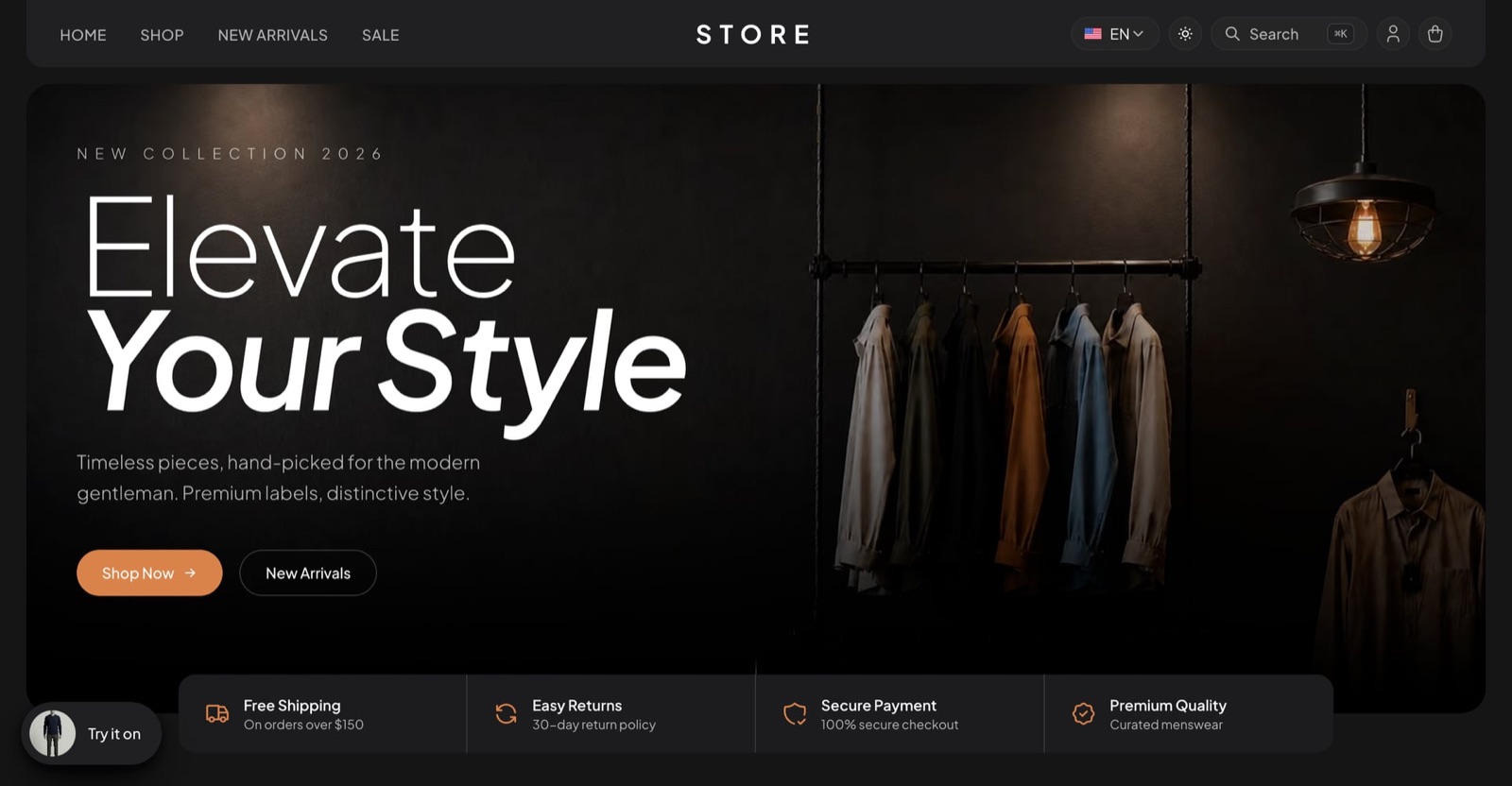
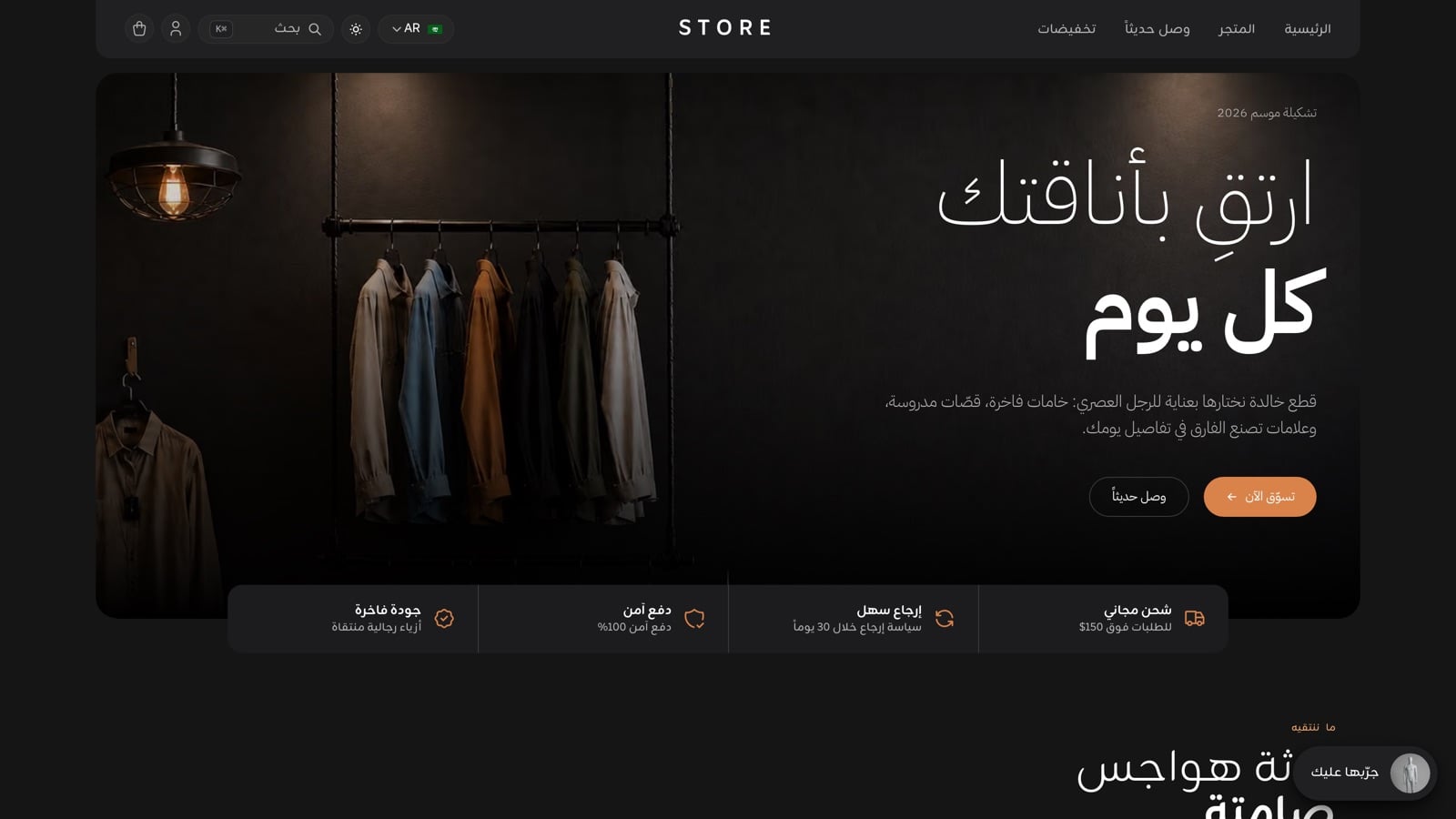
The Next.js e-commerce template with admin dashboard and NestJS API is a full-stack store built on Next.js 16 and React 19. One monorepo holds three apps: a storefront for a clothing brand, an admin dashboard for running the store, and a NestJS API with TypeORM that both of them talk to. Card payments run through Stripe with your own keys. Shoppers can check out as guests and track an order by number and email, or sign up for an account with saved addresses, order history, reviews and a wishlist.
Three AI features live inside the codebase. On the storefront, a shopper taps the hanger on any product and sees it worn in under a minute, on the built-in model or on their own photo. In the admin, a product studio generates product photos and short videos, and an assistant answers questions from the store's own data. You can also buy the parts on their own: the Next.js fashion storefront template is the shop front only, and the admin dashboard has its own entry below. Every part runs in English and Arabic with full right-to-left layout, in light and dark themes.
- Catalog with URL-driven search, filters and sorting, product pages with galleries, color and size variants, reviews and related products, and a cart and wishlist that persist across sessions
- Guest checkout with Stripe card payments, order confirmation and guest order tracking, plus customer accounts with addresses and order history
- Admin dashboard for products, categories, orders, customers, staff and the homepage sections, with role-based access control and real-time notifications
- NestJS API with TypeORM on MySQL or SQLite, separate JWT tokens for customers and staff, uploads to any S3-compatible store and a one-command database seeder
- Tracking for six ad networks already wired (Google Tag Manager and GA4, Meta, TikTok, Snapchat and Pinterest), switched on by pasting an id into .env
Stack: Next.js 16 App Router, React 19, TypeScript 5, Tailwind CSS 4, Motion, TanStack Query, Redux Toolkit, React Hook Form and Zod, next-intl, NestJS, TypeORM, Socket.io, with exact pinned dependencies.
Price: From $79 for the storefront alone. The admin dashboard is $99, the backend API is $99, and the full-stack package with all three is $179. It is a one-time payment with free updates, the licence covers unlimited commercial projects including client work, and the template is also one of the ten in the Aniq UI Next.js templates bundle.
Good to know: bought alone, the storefront and admin packages run on a built-in mock API. Real orders, payments and AI need the NestJS API, from the Backend API or the Full Stack package. Stripe and the AI features run on your own keys, so their usage is billed to your accounts (the product studio has per-account quotas to keep that in check). The demo store sells clothing, so a shop selling electronics or groceries will need more restyling.
2. Aniq UI E-Commerce Admin Dashboard
Best for: store owners and agencies looking for a Next.js e-commerce admin panel that covers products, orders, customers and staff in one place, with roles and an AI assistant that reads the store's data.
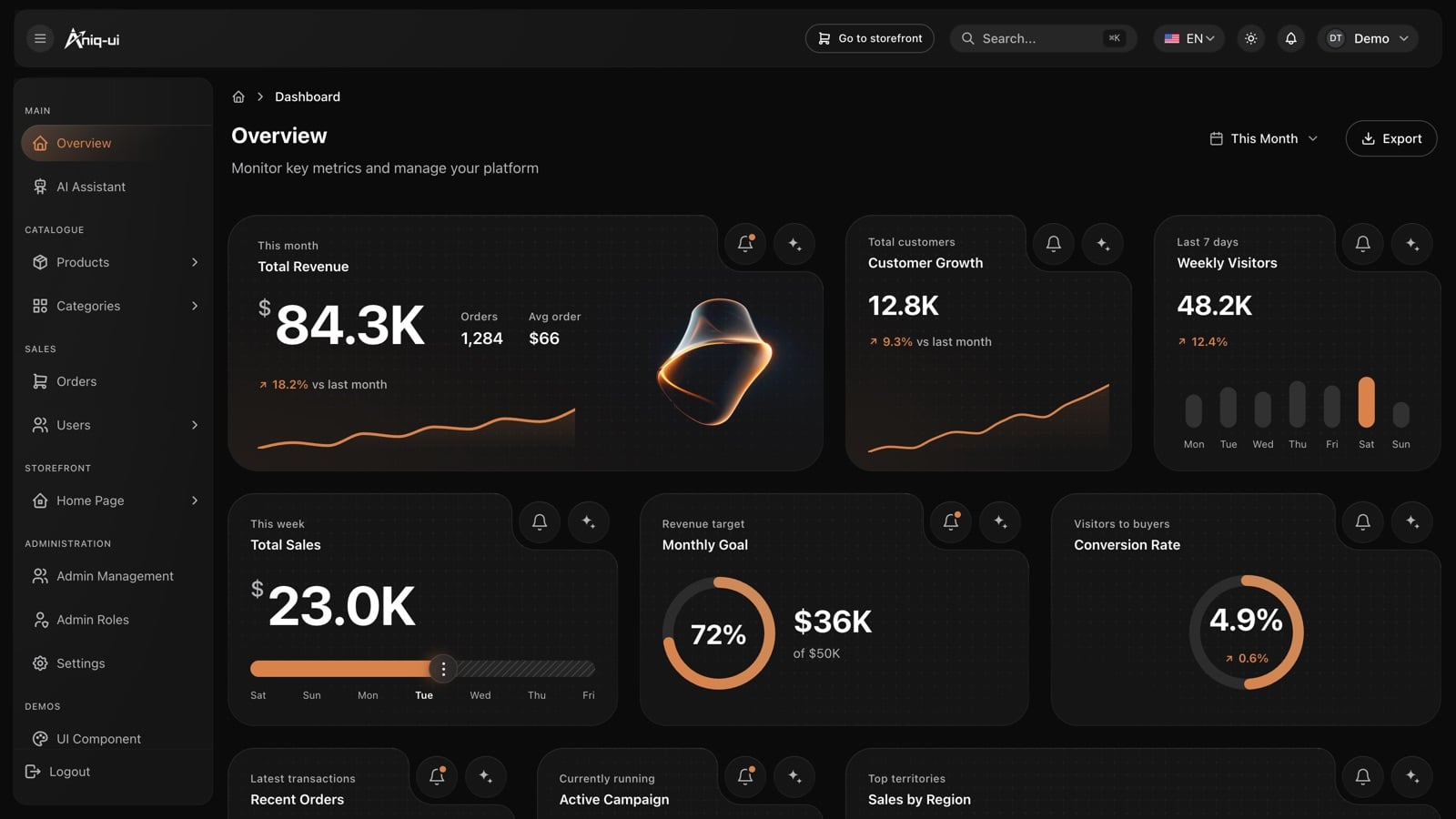
The Next.js e-commerce admin dashboard template is the back office of the store above, sold on its own. The overview is a bento grid with revenue, customer growth, sales, a monthly goal and conversion rate. The products list has tiles for active, out-of-stock and featured items, and the orders list shows order and payment status with a fulfilment progress ring on every row.
The AI tools set it apart from a general dashboard. Inside the product editor, the studio generates product photos from a prompt, removes backgrounds, drafts a listing from a single image and turns a photo into a short video. The assistant is a streaming chat over your own store data through an MCP tool registry, with Anthropic, Google and OpenAI as providers. Ask for the last 28 days and it returns an orders table, a daily revenue chart and the totals. Drop a product photo and a price into the chat and it creates the product and files it under a category.
- Products, categories, orders, customers, staff and homepage sections managed in place
- Roles and permissions with RBAC
- Real-time notifications over WebSockets
- Analytics views built with Recharts
- Product editor with English and Arabic fields, and per-account quotas on AI generation
Stack: Next.js 16 App Router, React 19, TypeScript 5, Tailwind CSS 4, TanStack Query, Redux Toolkit, React Hook Form and Zod, next-intl, Recharts.
Price: $99 for the admin dashboard alone. The NestJS API is another $99, and the full-stack package at $179 includes both plus the storefront, which costs less than buying the admin and the API separately ($198).
Good to know: bought alone, it runs on a built-in mock API, which is enough to explore and restyle it. Real orders, staff accounts and the AI tools need the NestJS API, and the AI runs on your own provider keys. It is built for that API, not for Shopify, Medusa or another engine, so pairing it with a different backend means replacing its API calls. If you are comparing general admin templates rather than store-specific ones, see our list of the top Next.js admin dashboard templates.
3. Next.js Commerce by Vercel
Best for: Shopify merchants who want a fast, custom Next.js storefront for free and are happy to keep products, payments and checkout in Shopify.
Next.js Commerce is Vercel's open-source storefront. Its README calls it "a high-performance, server-rendered Next.js App Router ecommerce application" that uses React Server Components, Server Actions, Suspense and useOptimistic. Vercel maintains only the Shopify version. Shopify holds the catalog, the cart and the orders, and the cart's checkout button sends the shopper to the checkout URL that Shopify returns for that cart.
- Free and MIT licensed, with about 14,300 GitHub stars (October 2026)
- App Router with Server Components, Server Actions and optimistic cart updates
- One-click deploy to Vercel
- Forks for other platforms listed in the README, including BigCommerce, Medusa, Saleor, Shopware, Swell and Wix
- Orama search and React Bricks visual editing integrations
Stack: Next.js 15 (a canary build in package.json), React 19, TypeScript, Tailwind CSS 4, Headless UI.
Price: Free. Shopify plans start at $29 a month billed yearly in the US (October 2026).
Good to know: there is no admin panel of its own, because you run the store from Shopify. Its package.json still pins a Next.js 15 canary, so plan the upgrade if you want Next.js 16. When this list was checked, the demo link in the README was not loading.
4. Medusa Next.js Starter Storefront
Best for: developers who want a free, open-source commerce engine they host themselves, with a ready storefront and admin on day one.
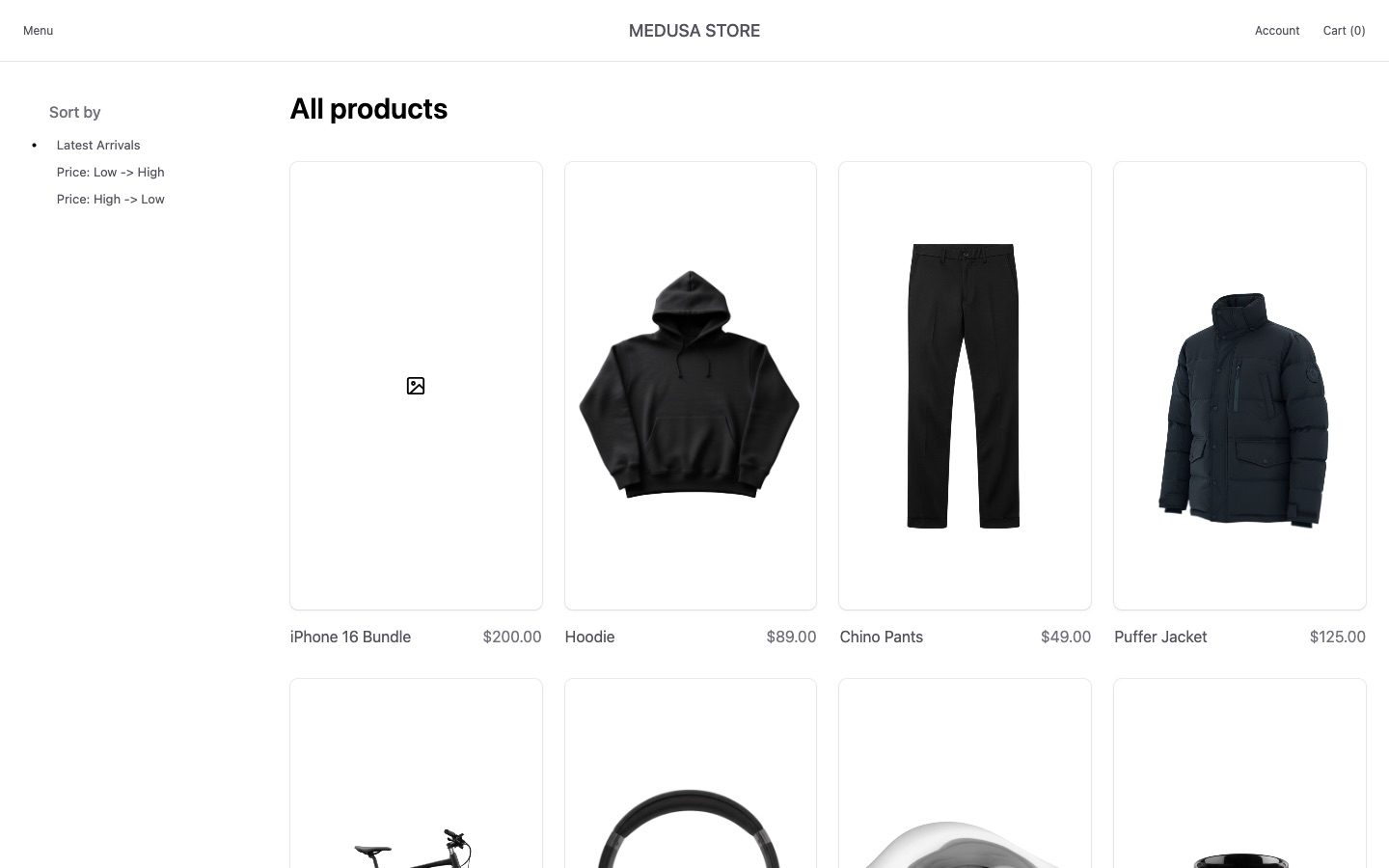
Medusa's Next.js Starter Storefront is the shop front for Medusa, an open-source commerce platform whose core is MIT licensed. Since Medusa v2.14.0 the starter installs together with the backend: run create-medusa-app with the --with-nextjs-starter flag and you get a monorepo with the API in apps/backend and the store in apps/storefront. The old standalone starter repository is archived.
The current code lives in Medusa's DTC Starter, and the Medusa admin dashboard runs with the backend.
- Free, with an MIT-licensed core and about 36,800 stars on the main Medusa repository (October 2026)
- Multi-region support with automatic country detection
- Catalog with variant selection, and a cart with promotion codes
- Multi-step checkout with shipping and payment, with Stripe through Medusa's Stripe module
- Customer accounts with order history and address management
Stack: Next.js 15 (15.5 in the DTC Starter storefront), React 19, TypeScript, Tailwind CSS 3, Medusa 2, PostgreSQL 15 or later, Node.js 20 or later.
Price: Free. Medusa Cloud hosting starts at $29 a month (October 2026).
Good to know: you run a Node.js server and a PostgreSQL database yourself, or pay for Medusa Cloud. The DTC Starter storefront is still on Next.js 15. Its README links no live demo, though the archived standalone starter still has a public one.
5. Saleor Paper Storefront
Best for: stores that sell into several countries, languages and currencies, built by teams that are comfortable with GraphQL.

Paper is Saleor's storefront template, which its README describes as "a minimal, production-ready storefront template for Saleor." It runs on Next.js 16 with Server Components and Cache Components. Saleor itself is an open-source, GraphQL-only commerce API under the BSD-3-Clause licence, managed through the separate Saleor Dashboard.
Store URLs carry both the language and the market (for example /en/us/), so one codebase serves several countries with their own prices and currency. Paper needs Saleor 3.23 or later, either on a free Saleor Cloud account or in a local Docker install.
- Multi-step, URL-driven checkout on server actions, with a guest order confirmation page
- Stripe built in, and the README says the checkout supports Saleor payment apps such as Adyen
- Seven built-in locales: English, Polish, German, French, Finnish, Norwegian and Korean
- Cache Components with webhook-driven revalidation
- AGENTS.md and a skills folder written for AI coding agents
Stack: Next.js 16, React 19, TypeScript in strict mode, Tailwind CSS 3, GraphQL Codegen, Saleor 3.23 or later.
Price: Free. The storefront uses the FSL-1.1-ALv2 licence, which the README says converts to Apache 2.0 after two years. Saleor's core is BSD-3-Clause.
Good to know: read the FSL terms before you build on it, since it is not an MIT licence. Arabic is not among the built-in locales. The README calls Paper a new release and tells you to "expect some rough edges."
6. Payload E-commerce Template
Best for: teams that want the store, the content pages and the admin panel in a single Next.js app, with no separate commerce server.
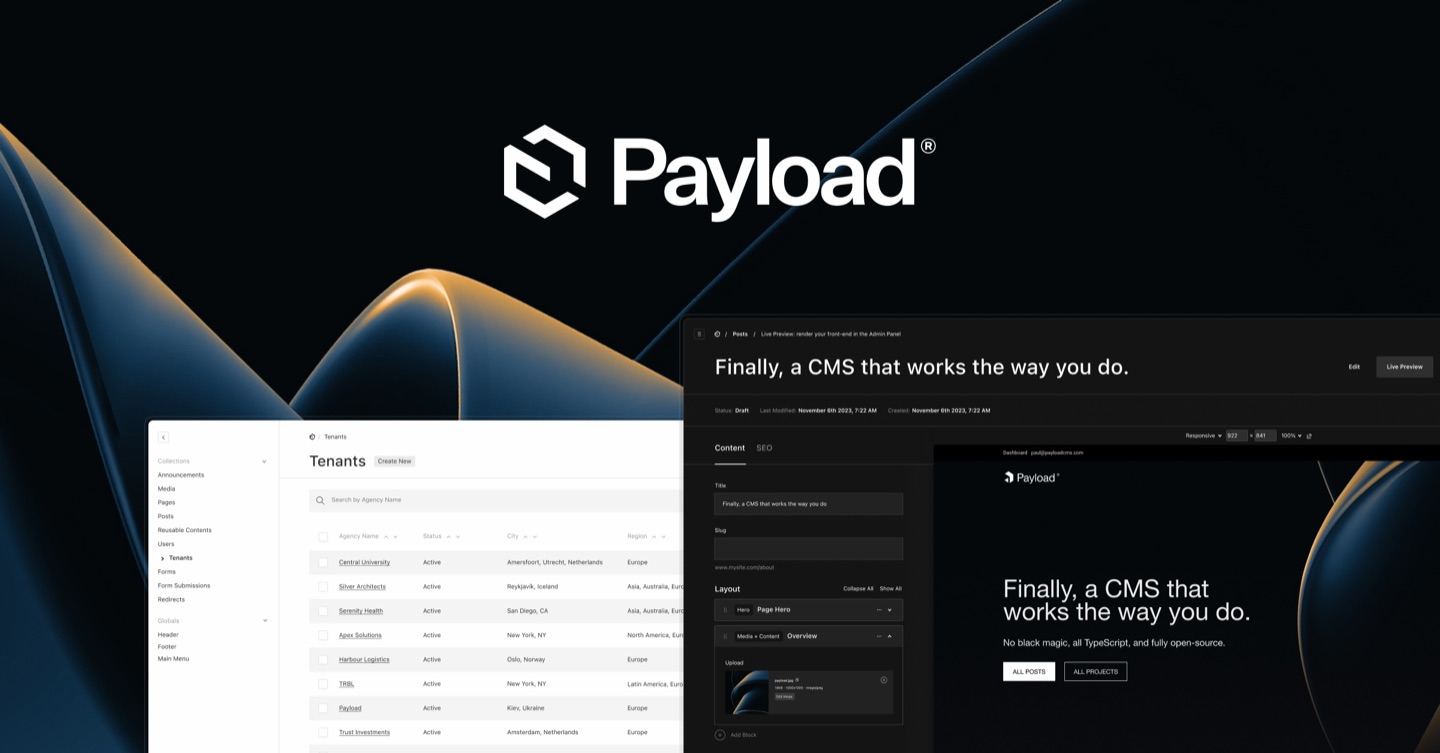
Payload's e-commerce template is built on Payload, which describes itself as "the open-source, fullstack Next.js framework" and installs inside your Next.js app folder. The template ships a backend, an admin panel and a Next.js storefront in one project, and you start it with create-payload-app and the ecommerce template flag.
Each payment attempt is stored as a transaction, and an order is created only after a transaction completes. Because Payload is also a CMS, the content side of the store gets the same admin as the products.
- Products with variants and per-currency pricing
- Carts for guests and signed-in users, guest checkout, order history and saved addresses
- Stripe adapter configured by default
- Layout builder, draft and live preview, SEO, search and scheduled publishing
- Payload is MIT licensed, with about 45,300 GitHub stars (October 2026)
Stack: Next.js 16, React 19, TypeScript, Tailwind CSS 4, Payload, Stripe.
Price: Free.
Good to know: the template is marked beta, and Payload's docs warn that the e-commerce plugin "may have breaking changes in future releases." The docs also say it does not handle shipping, taxes or subscriptions natively, so you build those yourself. There is no public demo, so run it locally to see it.
7. Spree Storefront
Best for: stores that need direct-to-consumer and wholesale (B2B) selling from one backend, and many payment methods on day one.
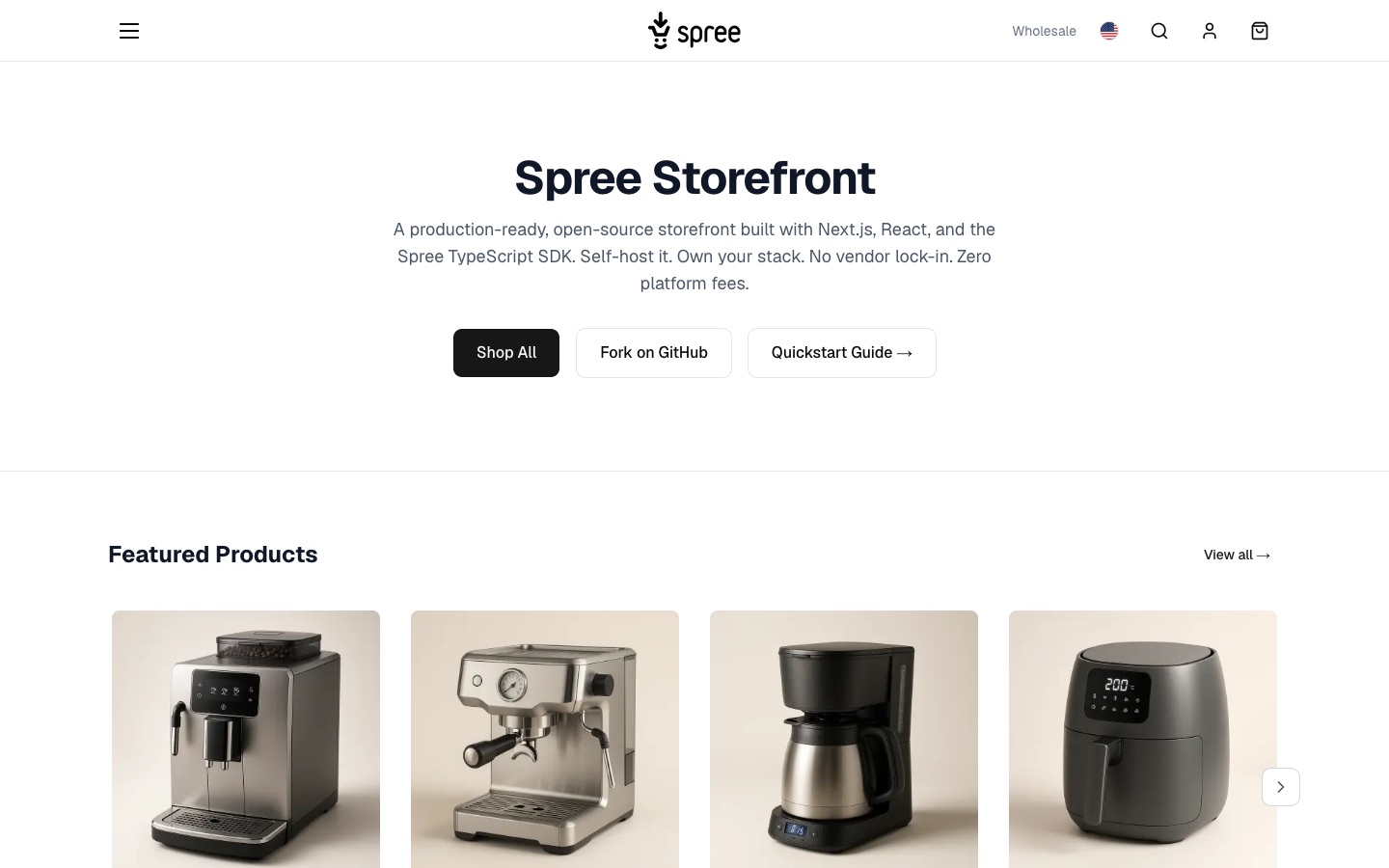
The Spree Storefront is, in its README's words, "a production-ready, headless ecommerce storefront for Spree Commerce, built with Next.js 16, React 19, and the Spree REST API." Spree is an open-source commerce platform under the BSD-3-Clause licence, with a REST API, TypeScript SDKs, a React admin dashboard and a seller panel for marketplace vendors. The create-spree-app command sets up the backend, the admin and, optionally, this storefront in one project.
- One-page checkout for guests and signed-in customers, with multiple shipments, coupons, gift cards and store credit
- Stripe, PayPal and Adyen through payment sessions, with cards, Apple Pay, Google Pay, Klarna, Affirm and SEPA
- Wholesale portal with storefront gating, per-customer pricing and account approval, run from the same instance as DTC
- Country, currency and language switching in the URL (for example /us/en/)
- GA4 e-commerce events, Google Tag Manager, Sentry and transactional emails
- The README reports Lighthouse performance scores of 98 on desktop and 88 on mobile for its demo
Stack: Next.js 16, React 19, TypeScript, Tailwind CSS 4, the official @spree/sdk, Spree 5.4 or later.
Price: Free. The storefront is MIT licensed and Spree's core is BSD-3-Clause.
Good to know: you run the Spree backend yourself, with official Docker images provided. The README notes that one branch tracks the unreleased Spree 6.0 API and can break, and it tells you which branch to fork for a stable store. Arabic and RTL are not listed.
8. BigCommerce Catalyst
Best for: merchants already on BigCommerce, or moving to it, who want a Next.js storefront without running a commerce backend.

Catalyst is "the composable, fully customizable headless commerce framework for BigCommerce." BigCommerce's docs describe it as "a standard Next.js application" that uses React Server Components and Suspense, backed by the GraphQL Storefront API. You create a project with pnpm create @bigcommerce/catalyst@latest and connect it to your BigCommerce store.
- Official BigCommerce storefront, MIT licensed, with a public demo store
- Faceted search on category and brand pages, full-text search, product pages, cart and customer accounts
- A one-page checkout hosted by BigCommerce, which the docs say limits your PCI exposure because the storefront never handles card data
- Deploys to Vercel or other Next.js hosts, with BigCommerce's own hosting in closed beta
Stack: Next.js 16, React 19, TypeScript, Tailwind CSS 3, next-intl, Node.js 24, pnpm.
Price: Free. BigCommerce plans start at $29 a month billed annually in the US (October 2026), and orders through payment providers outside BigCommerce's built-in list carry an extra fee (2% on the Core plan).
Good to know: you need a BigCommerce store, and checkout runs on BigCommerce's hosted page rather than inside your Next.js app.
9. Multikart with Laravel REST API
Best for: Envato buyers who want a multi-vendor marketplace that comes with its own backend and several payment gateways.
Multikart with Laravel REST API is a CodeCanyon product from PixelStrap: a Next.js storefront, a Next.js admin dashboard that vendors also sign in to, and a Laravel REST API. It runs as a single store or as a multi-vendor marketplace. The listing names Mollie, PayPal, Stripe and Razorpay as payment gateways, and lists RTL, multiple languages, multiple currencies and a dark theme.
PixelStrap also sells the front end alone on ThemeForest as Multikart React Next JS, at $29 for a Regular licence, with more than 3,200 sales and a Next.js 16 admin dashboard per its listing (October 2026). That version does not state a backend.
- Storefront, admin dashboard and Laravel REST API in one purchase
- Single store or multi-vendor marketplace, with vendor logins
- Mollie, PayPal, Stripe and Razorpay
- RTL, multiple languages and multiple currencies
- Dark theme and multiple color options
Stack: Next.js 16.1 and React 19.2 according to the latest changelog, Laravel 12, PHP.
Price: From $99 for a Regular licence, which covers one end product that end users are not charged for. The Extended licence is $999 (October 2026).
Good to know: the listing contradicts itself on versions. The changelog says Next.js 16 and Laravel 12, while the requirements section still says Next.js 14 and Laravel 11, so check the current package. The backend is PHP, so your team works in two languages. The Regular licence includes six months of support, and the demo images are not part of the download.
10. Bazaar Pro
Best for: teams that use Material UI and want many ready shop designs, multi-vendor pages and an admin UI, and that will connect their own backend.
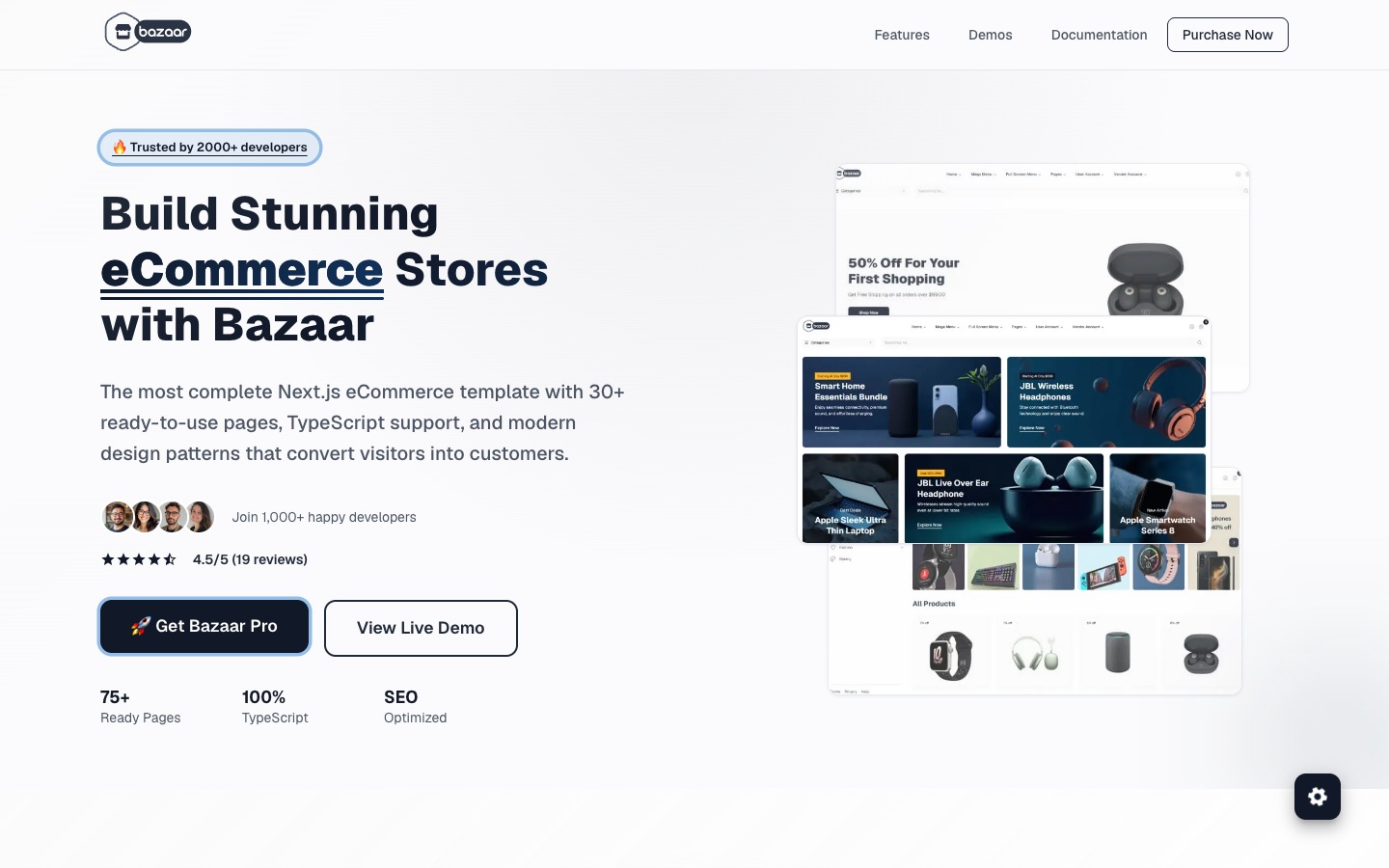
Bazaar Pro by UI Lib is sold on the MUI Store as a multipurpose Next.js e-commerce template. Its listing names Next.js 16, React 19 and Material UI v9, with 18 shop variations, multi-vendor pages, an admin and vendor dashboard, a user account dashboard and RTL support. The latest release on the listing is version 7.3.0 from August 20, 2026.
The data comes from a mock API, and the listing says plainly: "It does not have a real server or database." That makes Bazaar a large set of store screens rather than a working store. You connect products, orders, sign-in and payments to your own backend or to a commerce engine.
- 18 shop variations
- Admin and vendor dashboards with products, orders, customers, sellers and payouts pages
- RTL support
- React Hook Form and ApexCharts
- Figma files in the higher licence tiers
Stack: Next.js 16, React 19, Material UI v9, JavaScript, with TypeScript in the higher tiers.
Price: From $49 (October 2026). Standard is $49 with JavaScript source only, Standard Plus is $99 and adds TypeScript and Figma files, and Extended is $599 for products whose end users are charged.
Good to know: there is no backend, no database and no payment integration out of the box. Multi-language support is not mentioned on the listing.
How to Choose a Next.js E-commerce Template
1. Decide where your commerce backend lives
Every store needs somewhere to keep products, stock, carts, orders, customers and payments. Pick that first, because it decides which templates are even options.
- A hosted platform (Shopify, BigCommerce). The platform stores everything and usually runs checkout. Next.js Commerce and Catalyst are front ends for it. You run no commerce server, but you pay a monthly plan, possibly payment fees, and checkout happens on the platform's page.
- A self-hosted commerce engine (Medusa, Saleor, Spree, Payload). An open-source backend you run on your own server, or on the vendor's paid cloud. You own the data and the checkout, and these engines ship admin dashboards and plugin systems. In exchange you run a server, a database and upgrades. Vendure belongs here too: it has an official Next.js 16 storefront starter with next-intl, multi-currency support and a public demo.
- A complete template with its own API (Aniq UI, Multikart with Laravel). The storefront, the admin and the backend come as one codebase you buy and own. There is no platform fee and no separate engine to learn, and the code is small enough to read. The trade-off is that you maintain it, and features outside the template are yours to build.
A storefront template on its own (Bazaar Pro, the frontend-only ThemeForest items) fits none of these until you connect it to one of them.
2. Count the full cost, not the template price
The template is usually the smallest number in the budget. Shopify's Basic plan is $29 a month billed yearly or $39 billed monthly in the US, and stores that use a third-party payment provider instead of Shopify Payments pay an extra 2% transaction fee on that plan (October 2026). BigCommerce's Core plan is also $29 a month billed annually, with a 2% fee on orders processed by providers outside its built-in list. Medusa Cloud starts at $29 a month. A self-hosted engine or a template with its own API costs whatever your server and database cost. Add up a year of each before you decide.
3. Check checkout and payments before the design
Find out where checkout runs and which gateways are already wired in. Next.js Commerce sends shoppers to Shopify's checkout, and Catalyst redirects to BigCommerce's hosted one-page checkout. Spree lists Stripe, PayPal and Adyen with wallets and buy-now-pay-later methods, Aniq UI, Saleor Paper and Payload ship Stripe, Medusa connects Stripe through a module, and Multikart lists Mollie, PayPal, Stripe and Razorpay. If your market depends on a local gateway or cash on delivery, check that it can be added before you buy. Guest checkout matters too: Aniq UI, Saleor Paper, Payload and Spree all list it.
4. Make sure someone can run the store
Customers see the storefront, but your team lives in the admin. Hosted platforms use their own admin, and the engines ship one (the Medusa admin, Saleor Dashboard, Spree's React admin and seller panel, the Payload admin). Among templates, the Aniq UI admin adds roles, real-time notifications and an AI assistant, Multikart adds vendor logins, and Bazaar Pro gives you admin screens on mock data. Next.js Commerce and Catalyst have no admin of their own. Check who will add products, process orders and manage staff, and whether roles and permissions are already there.
5. Languages, currencies and right-to-left layout
For international stores, the routing work is the expensive part. Saleor Paper puts the locale and the market in every URL with per-market pricing and currency. Spree switches country, currency and language through URL segments. Medusa's starter detects the country and supports multiple regions. Vendure's starter ships English and German through next-intl, with multi-currency support.
Arabic is rarer. Among the entries here, only the Aniq UI template lists English and Arabic with full RTL across both the storefront and the admin. Multikart and Bazaar Pro list RTL support. For the others, plan to add Arabic and mirror the layout yourself, and test the checkout, the forms and the admin, not just the home page.
6. Next.js version and maintenance
Most active options are on Next.js 16: Aniq UI, Saleor Paper, Payload, Spree, Catalyst, Vendure and Bazaar Pro, with Multikart's changelog saying the same. Next.js Commerce still pins a Next.js 15 canary, and the Medusa DTC Starter storefront is on Next.js 15.5. Look at the last update date as well. Medusa's standalone starter is archived, and in ThemeForest's search results for React and Next.js e-commerce templates several listings show their last update in 2022 or 2023 (October 2026).
7. Read the licence
Next.js Commerce, Catalyst, the Medusa core, the Spree storefront, Payload and the Vendure starter are MIT. Saleor's core and Spree's core are BSD-3-Clause. Saleor Paper uses FSL-1.1-ALv2, which converts to Apache 2.0 after two years. Envato items come with a Regular or an Extended licence, and the Regular one covers a single end product that users are not charged for. Bazaar Pro's Standard licence has the same end-user condition and includes JavaScript source only. The Aniq UI licence covers unlimited commercial projects, client work included. If you build stores for clients, check how many end products each licence allows.
Common Mistakes When Choosing a Next.js E-commerce Template
Buying screens and expecting a store
A template with a mock API, or one that does not state a backend, gives you pages, not orders. Before you buy, look for a real database, a real cart and a real payment step in the description, and check which package includes them: Aniq UI's storefront and admin packages, for example, run on a mock API until you add the Backend API. If the backend is missing, add its cost to the plan.
Starting from an archived starter
Search results still point to Medusa's standalone Next.js starter, which is archived. Medusa now installs the storefront with create-medusa-app. Spree's README also flags a branch that tracks an unreleased API. Read the top of the README before you fork.
Forgetting payment fees on a hosted plan
Shopify and BigCommerce both add a percentage when you use a payment provider outside their own list, on top of the card processor's fee. On a busy store that line can cost more than the plan itself.
Leaving the admin for later
A storefront without an admin means someone edits products in a database or a spreadsheet. If staff will manage the store, choose a stack where the admin, roles and order workflow already exist.
Treating Arabic as a translation file
Right-to-left support is layout work: mirrored navigation, icons that flip, forms and number formatting that read correctly, and an admin that works the same way. A store that only translates its strings will look broken to Arabic-speaking shoppers.
FAQ
What is the best free Next.js e-commerce template?
For a Shopify store, Next.js Commerce by Vercel is the best free option. For a store you host yourself, start with Medusa's Next.js starter, or Spree if you need B2B and many payment methods.
Saleor Paper is a strong free choice for stores in several markets, under the FSL licence. Payload's template is free and puts the store and the CMS in one app, but it is still in beta.
What is the best premium Next.js e-commerce template?
If you want a storefront, an admin dashboard and an API you own, in English and Arabic, the Aniq UI full-stack e-commerce template is the most complete paid pick here, from $79 for the storefront and $179 for everything.
On Envato, Multikart with Laravel REST API suits multi-vendor marketplaces. Bazaar Pro on the MUI Store suits Material UI teams that will bring their own backend.
Is there a Next.js e-commerce template with an admin panel?
Yes. The Aniq UI e-commerce admin dashboard, Multikart's admin and Bazaar Pro's admin screens are built in Next.js, and Medusa, Saleor, Spree and Payload ship admin dashboards with their backends. Check what each admin is connected to: a real API, or mock data until you connect one.
Should I use Shopify or a self-hosted backend with Next.js?
Use Shopify (or BigCommerce) if you want no commerce server to run and accept a monthly plan and its checkout. Use a self-hosted engine or a template with its own API if you want to own the data, the checkout and the costs.
Hosted platforms are the faster start for a small team. Self-hosting pays off when platform fees grow or when you need a custom checkout or B2B rules.
Where can I find a Next.js e-commerce template on GitHub?
The main official repositories are vercel/commerce (Shopify), medusajs/dtc-starter (Medusa), saleor/storefront (Saleor Paper), spree/storefront (Spree), bigcommerce/catalyst (BigCommerce), vendurehq/nextjs-starter-vendure (Vendure) and the ecommerce folder in payloadcms/payload.
All of them are free. Check the licence, the Next.js version in package.json and the last commit before you fork.
Are ThemeForest and Envato Next.js e-commerce templates worth buying?
They can be, if you check three things first: the last update date, the Next.js version, and whether a backend is included. Many listings are front ends only, and some have not been updated in years.
Multikart is a well-maintained example: the front end alone is $29 on ThemeForest, and the CodeCanyon version with a Laravel REST API is $99 (October 2026).
Which Next.js e-commerce templates support Arabic and RTL?
The Aniq UI e-commerce template supports English and Arabic with full RTL in both the storefront and the admin. Multikart and Bazaar Pro list RTL support.
The open-source starters in this list do not list Arabic, so with them Arabic and the RTL layout are work you add yourself.
How do payments work in a Next.js e-commerce template?
Either the platform handles them on its own checkout page (Shopify, BigCommerce), or the backend connects to a payment provider such as Stripe and the storefront runs the checkout. Whatever you pick, confirm that your provider works in the countries you sell to.
Conclusion
If your store already runs on Shopify, start with Next.js Commerce. If you are on BigCommerce, use Catalyst. If you want an open-source engine you host yourself, Medusa is the simplest start, Spree suits B2B and many payment methods, Saleor suits multi-market stores, and Payload suits teams that want the CMS and the store in one app.
If you want one codebase with a storefront, an admin dashboard and its own API, with English and Arabic built in, the Aniq UI e-commerce template is the complete option, and you can buy the storefront or the admin alone. Multikart covers multi-vendor marketplaces on Envato, and Bazaar Pro gives Material UI teams a large set of shop screens to connect to their own backend. You can compare every store template with live demos on the Aniq UI Next.js e-commerce templates page.
Related guides
- Best Next.js Templates for 2026: Free and Premium Picks
- Best Admin Dashboard Templates by Industry in 2026
- Best RTL Admin Dashboard Templates with Arabic Support (2026)
- Best Next.js SaaS Templates and Starter Kits for 2026
- Best Next.js Landing Page Templates for 2026 (Free and Premium)
- Top 10 Best Next.js Admin Dashboard Templates for 2026
Sources
- Next.js Commerce on GitHub
- Next.js Commerce cart checkout action
- Shopify pricing
- Medusa Next.js Starter Storefront docs
- Medusa DTC Starter on GitHub
- Medusa on GitHub
- Medusa Cloud pricing
- Saleor Paper storefront on GitHub
- Saleor on GitHub
- Payload e-commerce template on GitHub
- Payload e-commerce plugin docs
- Payload on GitHub
- Spree Storefront on GitHub
- Spree Commerce on GitHub
- BigCommerce Catalyst on GitHub
- BigCommerce Catalyst overview docs
- BigCommerce pricing
- Vendure storefront starters docs
- Vendure Next.js starter on GitHub
- Multikart with Laravel REST API on CodeCanyon
- Multikart React Next JS on ThemeForest
- ThemeForest search: React Next e-commerce templates
- Bazaar Pro on the MUI Store
Checked October 2026.
You might also like
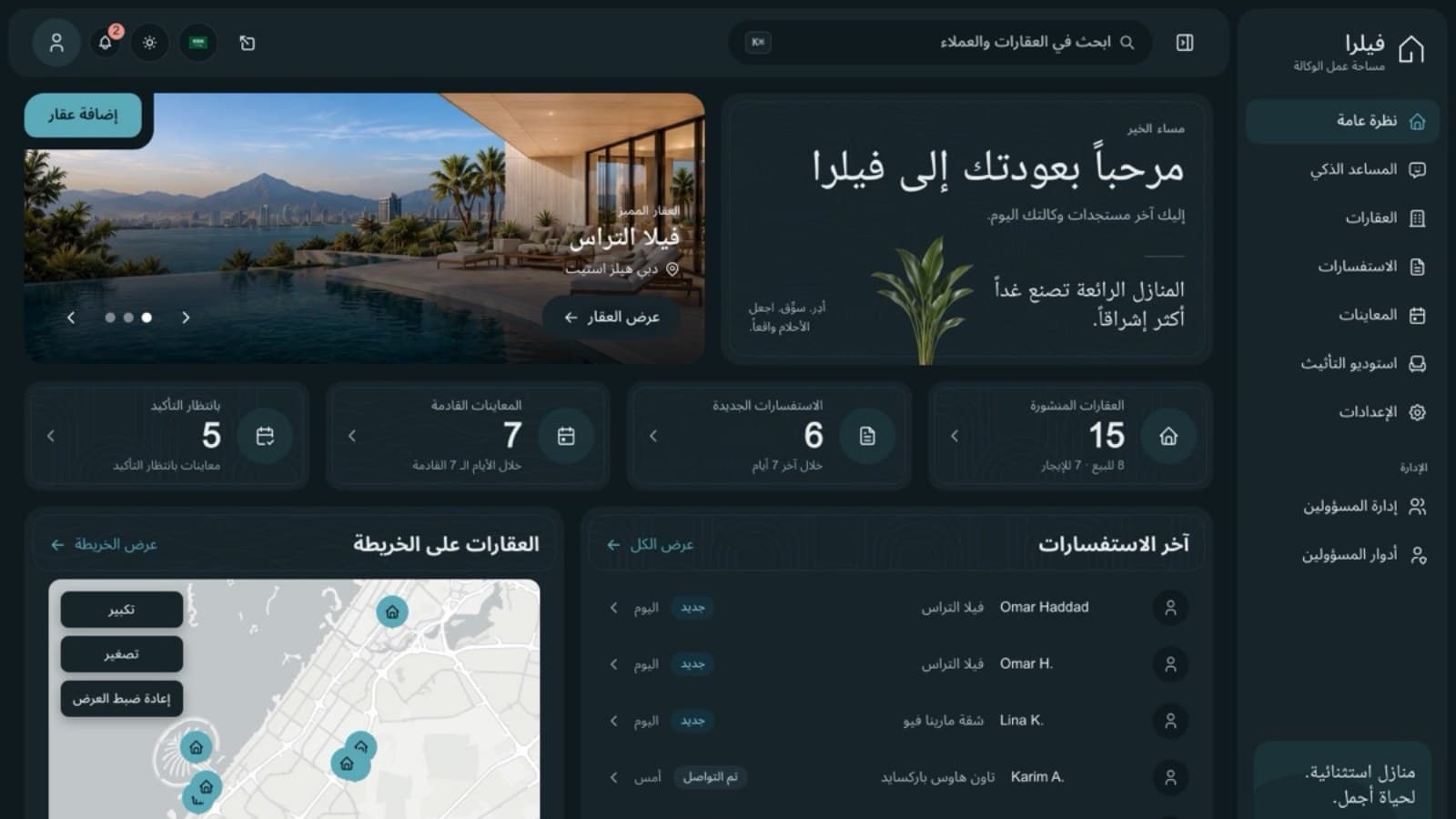
Best RTL Admin Dashboard Templates with Arabic Support (2026)
Compare 10 RTL admin dashboard templates with Arabic support: Next.js, MUI and Tailwind picks, free and premium, plus a five-minute RTL demo test.
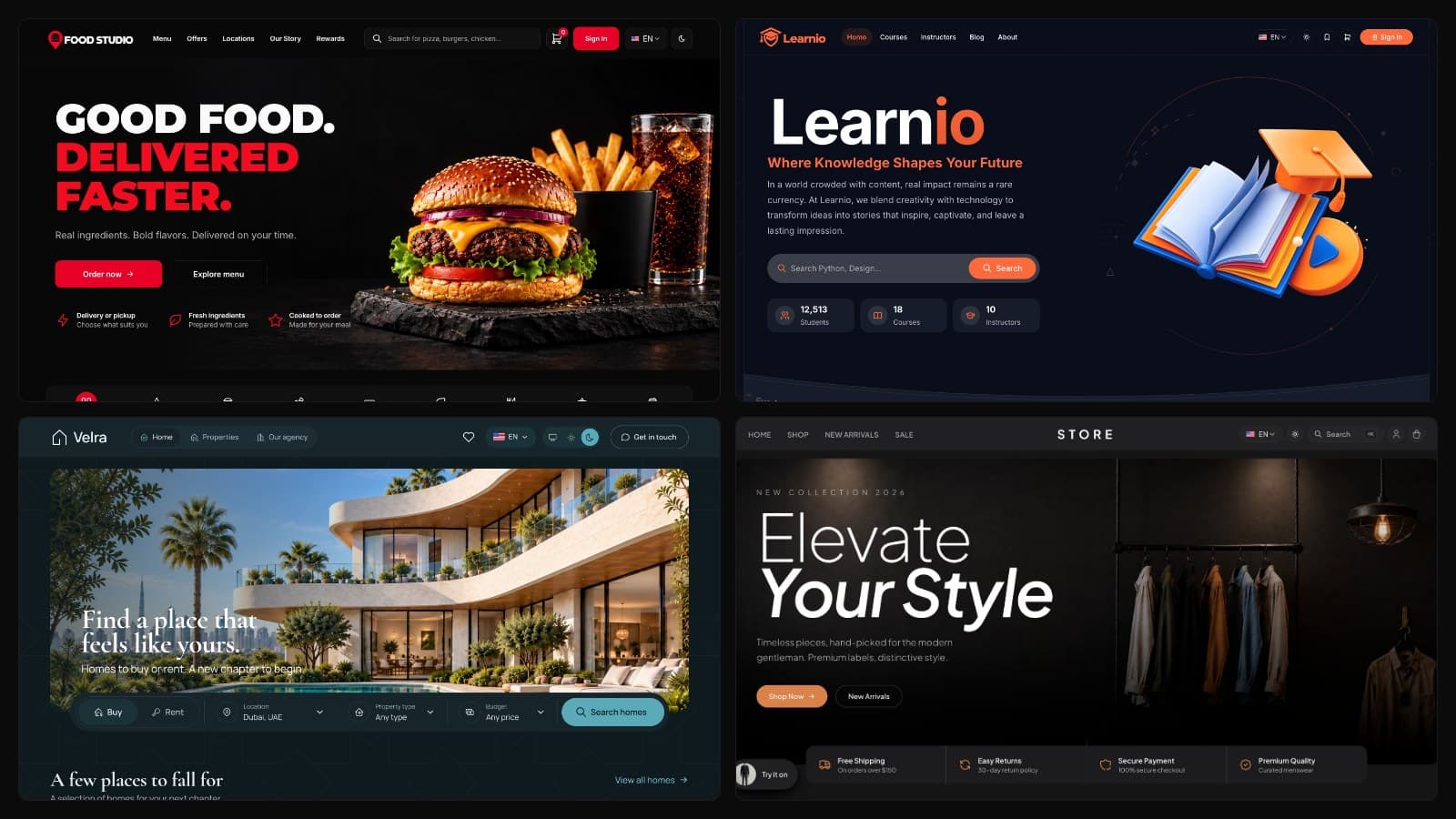
Best Next.js Templates for 2026: Free and Premium Picks
The best Next.js templates for 2026, sorted by use case: dashboards, SaaS, stores, LMS, real estate, restaurants and more, with free and premium picks.
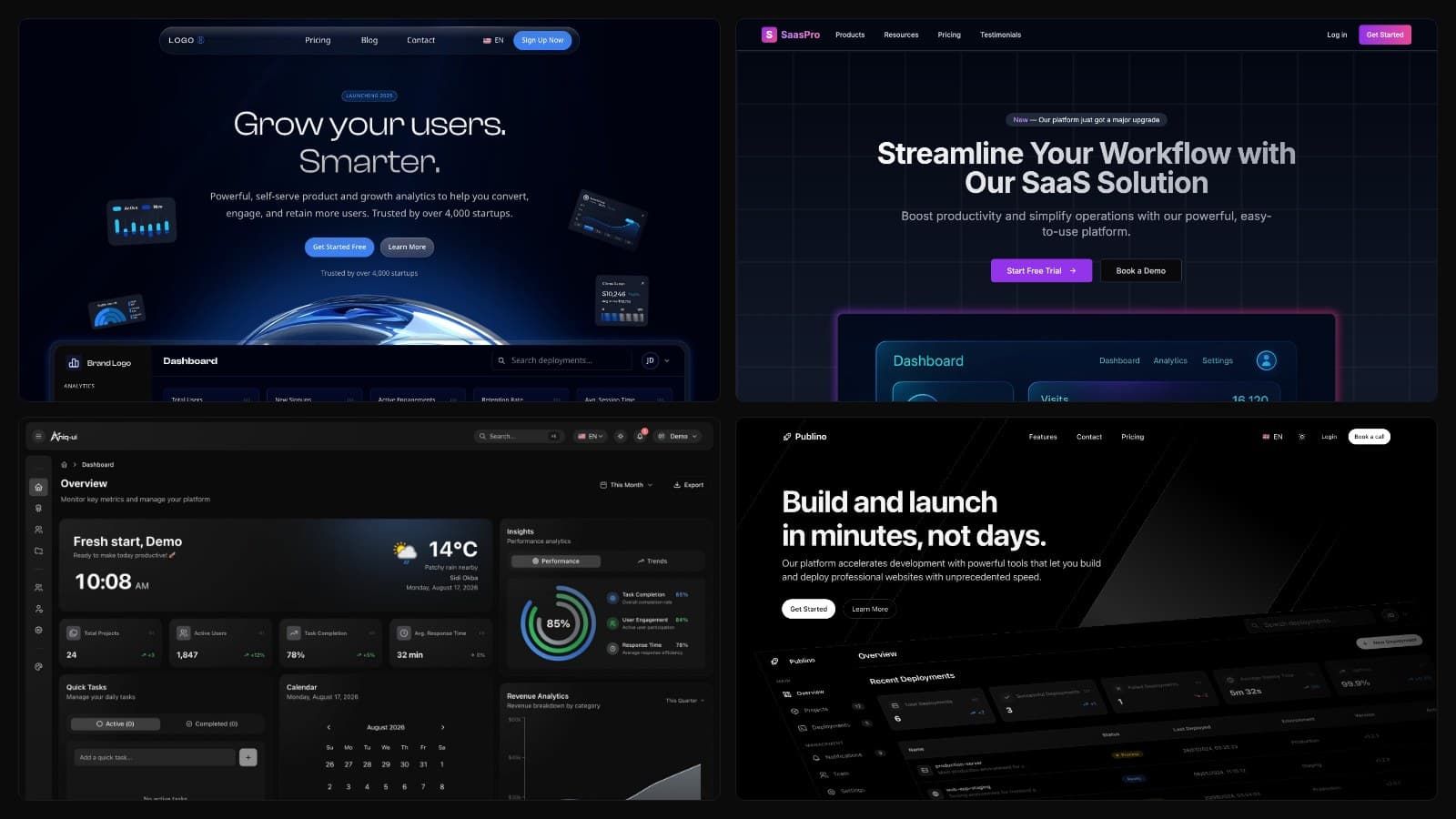
Best Next.js SaaS Templates and Starter Kits for 2026
Compare the best Next.js SaaS templates for 2026: landing pages, starter kits with Stripe billing and admin dashboards, with prices, stacks and limits.
